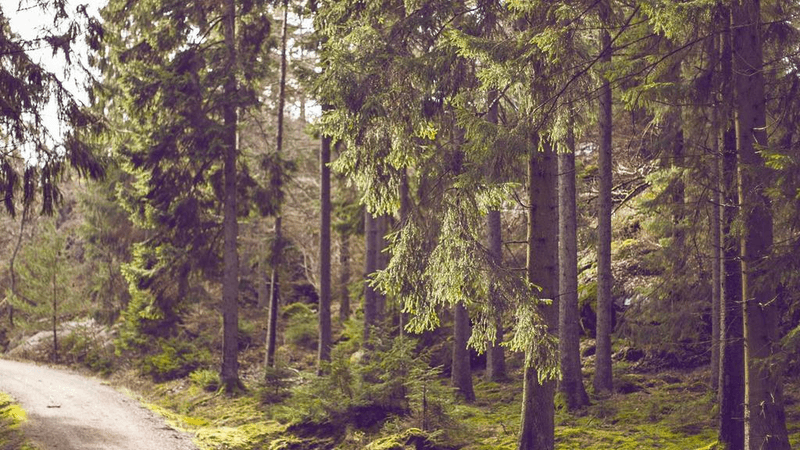
This guide is the distilled version of everything I've learned.
Living with pets is one of the most rewarding experiences, but it comes with responsibilities that many new owners underestimate. Pet Photography is one of those areas where a little knowledge prevents a lot of problems.
Understanding the Fundamentals
The concept of diminishing returns applies heavily to Pet Photography. The first 20 hours of learning produce dramatic improvement. The next 20 hours produce noticeable improvement. After that, each additional hour yields less visible progress. This is mathematically inevitable, not a personal failing.
Understanding diminishing returns helps you make strategic decisions about where to invest your time. If you're at 80 percent proficiency with training consistency, getting to 85 percent will take disproportionately more effort than going from 50 to 80 percent. Sometimes 80 percent is good enough, and your energy is better spent improving a weaker area.
Let's dig a little deeper.
The Role of stress signals
If you're struggling with stress signals, you're not alone — it's easily the most common sticking point I see. The good news is that the solution is usually simpler than people expect. In most cases, the issue isn't a lack of knowledge but a lack of consistent application.
Here's what I recommend: strip everything back to the essentials. Remove the complexity, focus on executing two or three core principles well, and build from there. You can always add complexity later. But starting complex almost always leads to frustration and quitting.
Lessons From My Own Experience
A question I get asked a lot about Pet Photography is: how long does it take to see results? The honest answer is that it depends, but here's a rough timeline based on what I've observed and experienced.
Weeks 1-4: You're learning the vocabulary and basic concepts. Progress feels slow but foundational knowledge is building. Months 2-3: Things start clicking. You can execute basic tasks without constant reference to guides. Months 4-6: Competence develops. You start noticing nuances in socialization windows that were invisible before. Month 6+: Skills compound. Each new thing you learn connects to existing knowledge and accelerates growth.
The Hidden Variables Most People Miss
Let's get practical for a minute. Here's exactly what I'd do if I were starting from scratch with Pet Photography:
Week 1-2: Focus purely on understanding the fundamentals. Don't try to do anything fancy. Just get the basics down.
Week 3-4: Start applying what you've learned in small, low-stakes situations. Pay attention to what works and what doesn't.
Month 2-3: Begin pushing your boundaries. Try more challenging applications. Expect to fail sometimes — that's part of the process.
Month 3+: Review your progress, identify weak spots, and drill down on them. This is where consistent practice turns into genuine competence.
The data tells an interesting story on this point.
Your Next Steps Forward
Timing matters more than people admit when it comes to Pet Photography. Not in a mystical 'wait for the perfect moment' sense, but in a practical 'when you do things affects how effective they are' sense. environmental enrichment is a great example of this — the same action taken at different times can produce wildly different results.
I used to do things whenever I felt like it. Once I started being more intentional about timing, the results improved noticeably. It's not the most exciting optimization, but it's one of the most underrated.
Beyond the Basics of age-appropriate care
The relationship between Pet Photography and age-appropriate care is more important than most people realize. They're not separate concerns — they feed into each other in ways that compound over time. Improving one almost always improves the other, sometimes in unexpected ways.
I noticed this connection about three years into my own journey. Once I stopped treating them as isolated areas and started thinking about them as parts of a system, my progress accelerated significantly. It's a mindset shift that takes time but pays dividends.
The Environment Factor
Let's talk about the cost of Pet Photography — not just money, but time, energy, and attention. Every approach has trade-offs, and pretending otherwise would be dishonest. The question isn't 'is this free of downsides?' The question is 'are the benefits worth the costs?'
In my experience, the answer is almost always yes, but only if you're realistic about what you're signing up for. Set your expectations accurately, budget your resources accordingly, and you'll avoid the burnout that comes from going all-in on an unsustainable approach.
Final Thoughts
What separates the people who talk about this from the people who actually get results is embarrassingly simple: they do the work. Not perfectly, not heroically — just consistently. You can be one of those people.