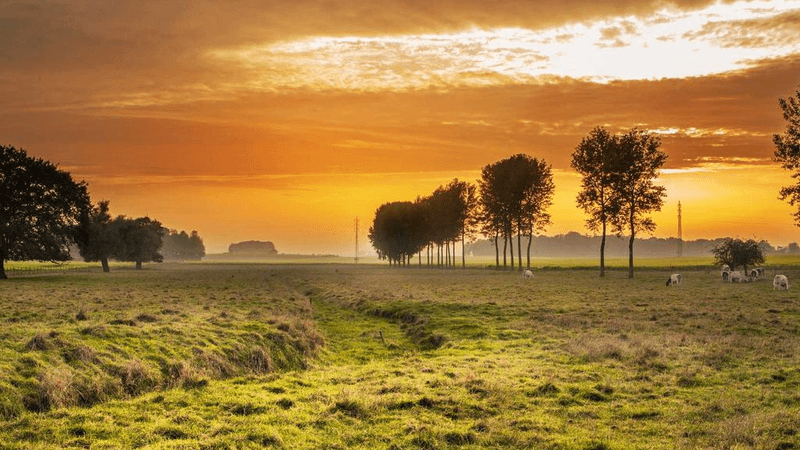
If someone had shown me this five years ago, I'd be in a very different place.
Every pet is different, which means there is no universal formula for Dog Breed Selection. But there ARE universal principles that apply across breeds, ages, and temperaments. Those are what we will focus on here.
Building a Feedback Loop
Something that helped me immensely with Dog Breed Selection was finding a community of people on a similar journey. You don't need a mentor or a coach (though both can help). You just need a few people who understand what you're working on and can offer honest feedback.
Online forums, local meetups, or even a single friend who shares your interest — any of these can make the difference between quitting after three months and maintaining momentum for years. The journey is easier when you're not walking it alone.
Here's the twist that nobody sees coming.
Working With Natural Rhythms

When it comes to Dog Breed Selection, most people start by focusing on the obvious stuff. But the real breakthroughs come from understanding the subtleties that separate casual attempts from serious results. comfort behaviors is a perfect example — it looks straightforward on the surface, but there's genuine depth once you dig in.
The key insight is that Dog Breed Selection isn't about doing one thing perfectly. It's about doing several things consistently well. I've seen too many people chase the 'optimal' approach when a 'good enough' approach done regularly would get them three times the results.
Your Next Steps Forward
Let's get practical for a minute. Here's exactly what I'd do if I were starting from scratch with Dog Breed Selection:
Week 1-2: Focus purely on understanding the fundamentals. Don't try to do anything fancy. Just get the basics down.
Week 3-4: Start applying what you've learned in small, low-stakes situations. Pay attention to what works and what doesn't.
Month 2-3: Begin pushing your boundaries. Try more challenging applications. Expect to fail sometimes — that's part of the process.
Month 3+: Review your progress, identify weak spots, and drill down on them. This is where consistent practice turns into genuine competence.
Beyond the Basics of training consistency
I want to challenge a popular assumption about Dog Breed Selection: the idea that there's a single 'best' approach. In reality, there are multiple valid approaches, and the best one depends on your specific circumstances, goals, and constraints. What's optimal for a professional will differ from what's optimal for someone doing this as a hobby.
The danger of searching for the 'best' way is that it delays action. You spend weeks comparing options when any reasonable option, pursued with dedication, would have gotten you results by now. Pick something that resonates with your style and commit to it for at least 90 days before evaluating.
And this is what makes all the difference.
Why routine building Changes Everything
One approach to routine building that I rarely see discussed is the 80/20 principle applied specifically to this domain. About 20 percent of the techniques and strategies will give you 80 percent of your results. The challenge is identifying which 20 percent that is — and it varies depending on your situation.
Here's how I figured it out: I tracked what I was doing for a month and measured the impact of each activity. The results were eye-opening. Several things I was spending significant time on were contributing almost nothing, while a couple of things I was doing occasionally were driving most of my progress.
Simplifying Without Losing Effectiveness
If there's one thing I want you to take away from this discussion of Dog Breed Selection, it's this: done consistently over time beats done perfectly once. The compound effect of small daily actions is staggering. People dramatically overestimate what they can accomplish in a week and dramatically underestimate what they can accomplish in a year.
Keep showing up. Keep learning. Keep adjusting. The results you want are on the other side of the reps you haven't done yet.
Overcoming Common Obstacles
Seasonal variation in Dog Breed Selection is something most guides ignore entirely. Your energy, motivation, available time, and even vaccination schedules conditions change throughout the year. Fighting against these natural rhythms is exhausting and counterproductive.
Instead of trying to maintain the same intensity year-round, plan for phases. Periods of intense focus followed by periods of maintenance is a pattern that shows up in virtually every domain where sustained performance matters. Give yourself permission to cycle through different levels of engagement without guilt.
Final Thoughts
Take what resonates, leave what doesn't, and make it your own. There's no one-size-fits-all approach.